Carta Mercatoria
Rules that capital can trust. Growth that sovereigns keep.
Mercatoria advises governments, zone operators and founders on the governance that makes new economic zones investable. Zones that meet the standard are introduced to a network of capital partners.
Sovereigns have always prospered by offering rules that capital can trust.
In Latin and the languages that grew from it, carta meant both the chart that guided a ship and the charter that protected a merchant. Trade has always needed both.
c. 1330The great fairs
Justice at the speed of trade
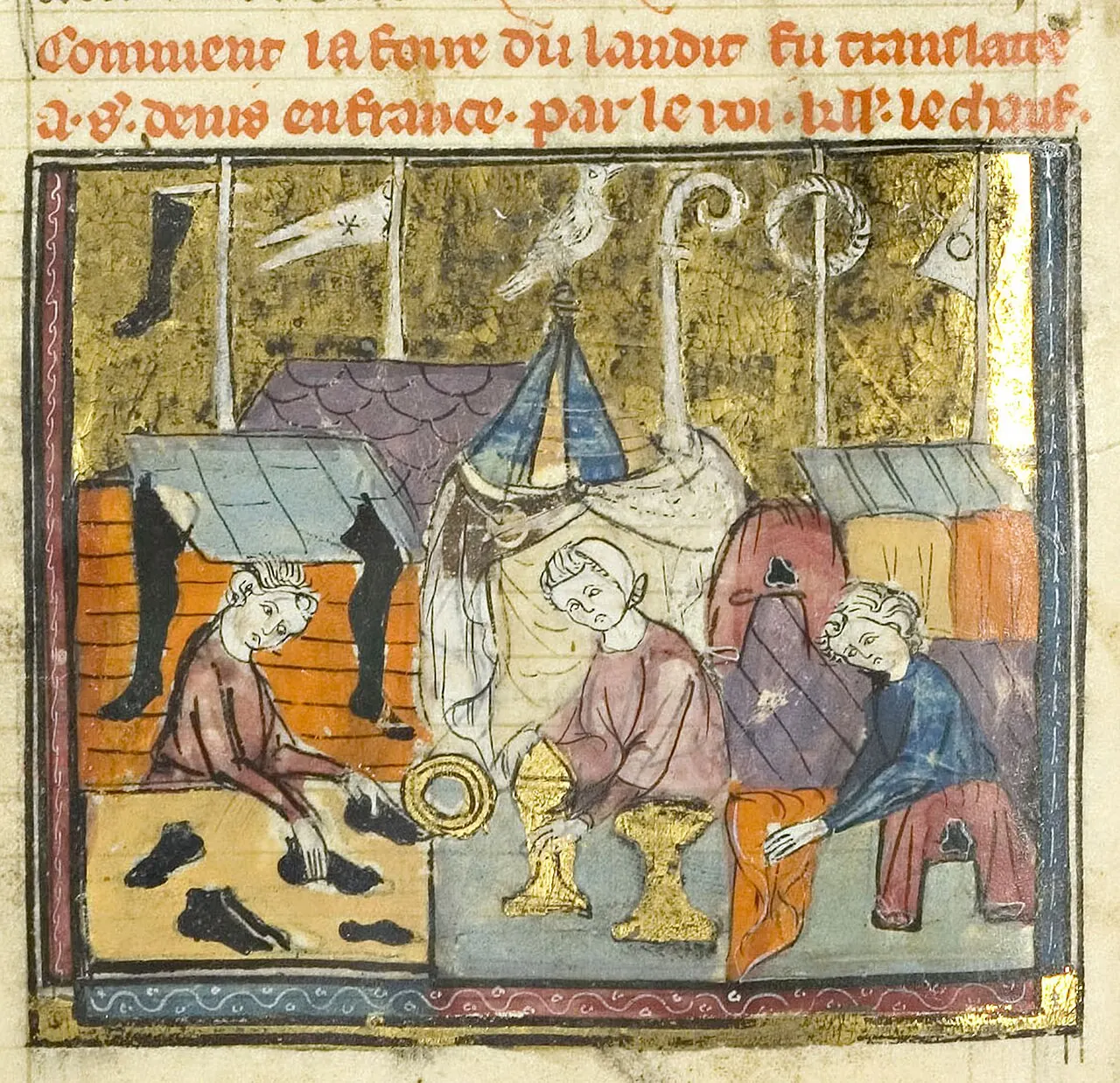
At the fairs of medieval Europe, merchants from a dozen kingdoms traded side by side. None of them trusted the others' courts, so they built their own law. In England its courts were called piepowder, from the French pieds poudrés, dusty feet: a case was heard and decided before the trader left town.

1303A king adopts the merchants' law
The Carta Mercatoria
Edward I of England granted foreign merchants safe passage, prompt justice under the law merchant and juries drawn half from their own countrymen. In return they paid new customs duties. Certainty for the merchants, revenue for the crown.
Carta Mercatoria
I.Foreign merchants may come to the realm, stay and trade in safety, with their goods.
II.Their disputes are heard promptly, from day to day, according to the law merchant.
III.Where a merchant is a party, half the jury may be foreign.
IV.For these liberties the merchants pay a new custom on their trade.
In paraphrase. Granted 1 February 1303.
1532The merchant abroad
A self-governing post in a foreign capital
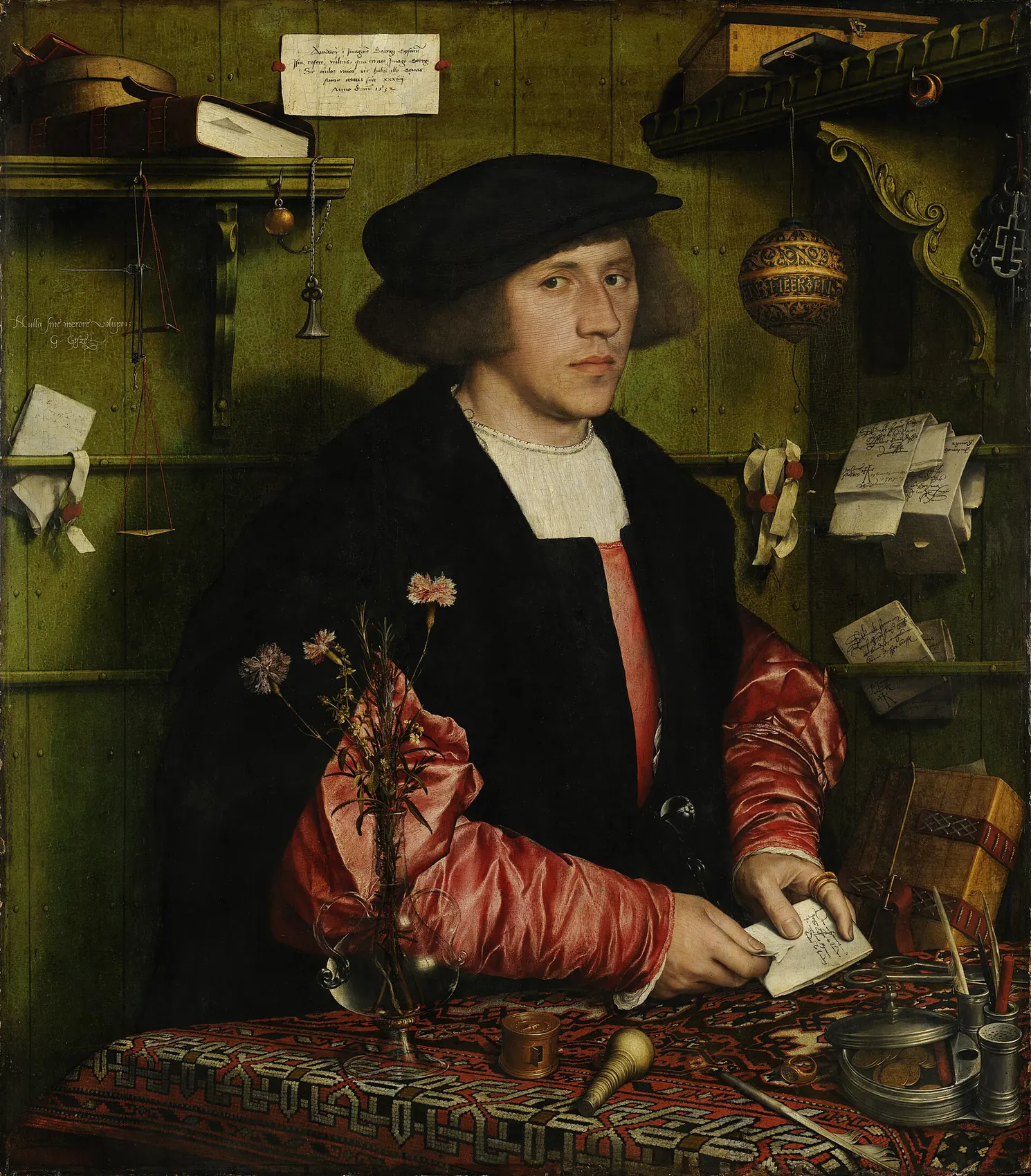
The merchants of the Hanseatic League ran their own trading post in London, the Steelyard, under privileges granted by English kings. Holbein painted one of them at his desk among his letters, scales and seals.

1756to 1788, at the King's Bench
From custom to common law
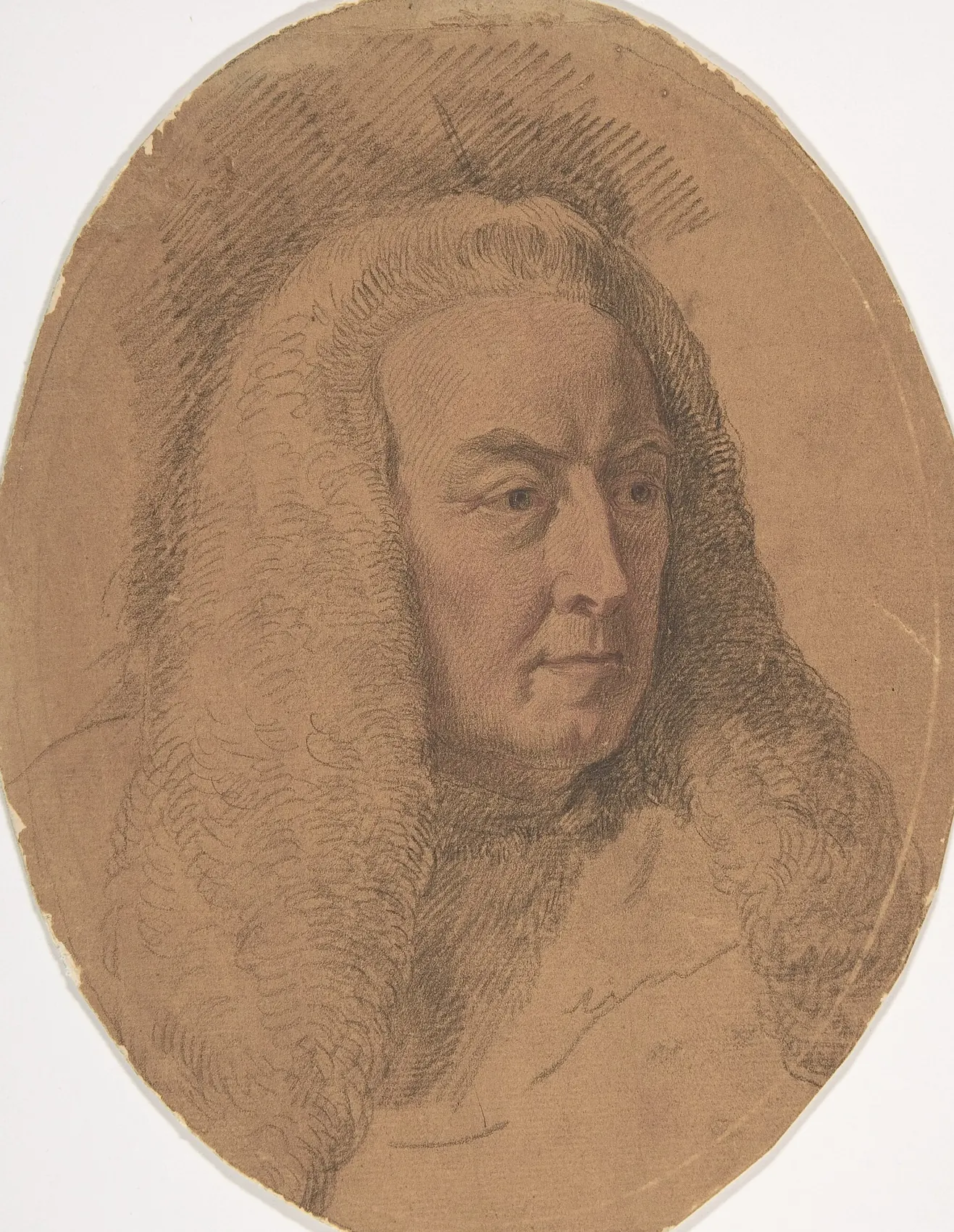
As Chief Justice, Lord Mansfield brought the law merchant into English common law. The commercial law he built is still taught and applied wherever the common law reaches.

1958The New York Convention
One rule, almost everywhere
The Convention on the Recognition and Enforcement of Foreign Arbitral Awards binds its parties to enforce arbitral awards made abroad. It opened with a handful of states. Today 172 are party to it, and every major cross-border investment rests on that inheritance.
Source: UNCITRAL, status of the Convention. Years are those of ratification, accession or succession.
Offering rules that capital can trust is not a loss of sovereignty. It is one of its oldest and most profitable uses.
Four things decide whether a zone attracts capital that stays.
Growth without surrendering what a state is for.
For a host government the question is what it gives and what it keeps. Set out as an account, the answer is clear.
Defined rule-making powers
In named areas, delegated by national law and reviewable under it.
Land, on agreed terms
Leased or vested for development, with the value it gains shared with the host.
Stability commitments
Terms investors can rely on for the life of their investment.
Sovereignty
The zone exists by national law and national consent.
Revenue
Land value, fees and new economic activity, on terms set in advance.
Employment
Industry and services located in the country, employing its people.
Stronger institutions
Courts, registries and regulators built to investment grade, with practice that spreads.
Five routes into one port.
Each advisory track serves a different party to the same work: making places where capital, people and enterprise can trust the rules.
- Existing zonesFind a path to upgrade your governance, and you become investable to our network.
- FoundersFor those building new cities, and the economies that must sustain them.
- GovernmentsZone frameworks that attract long-term capital while sovereignty stays where it belongs.
- Sovereign and institutional capitalAccess to zones that meet a governance standard, diligenced before you see them.
- Residency and citizenshipSecond-residence and citizenship strategy for families, led by Argentina's new route.
One standard, carried into each region by its own platform.
Each platform is led in its region by a local operating partner and held to the same standard. Hover a mark to see where each one works.
We ask zones to keep a public record of their rules. We keep one of our own.
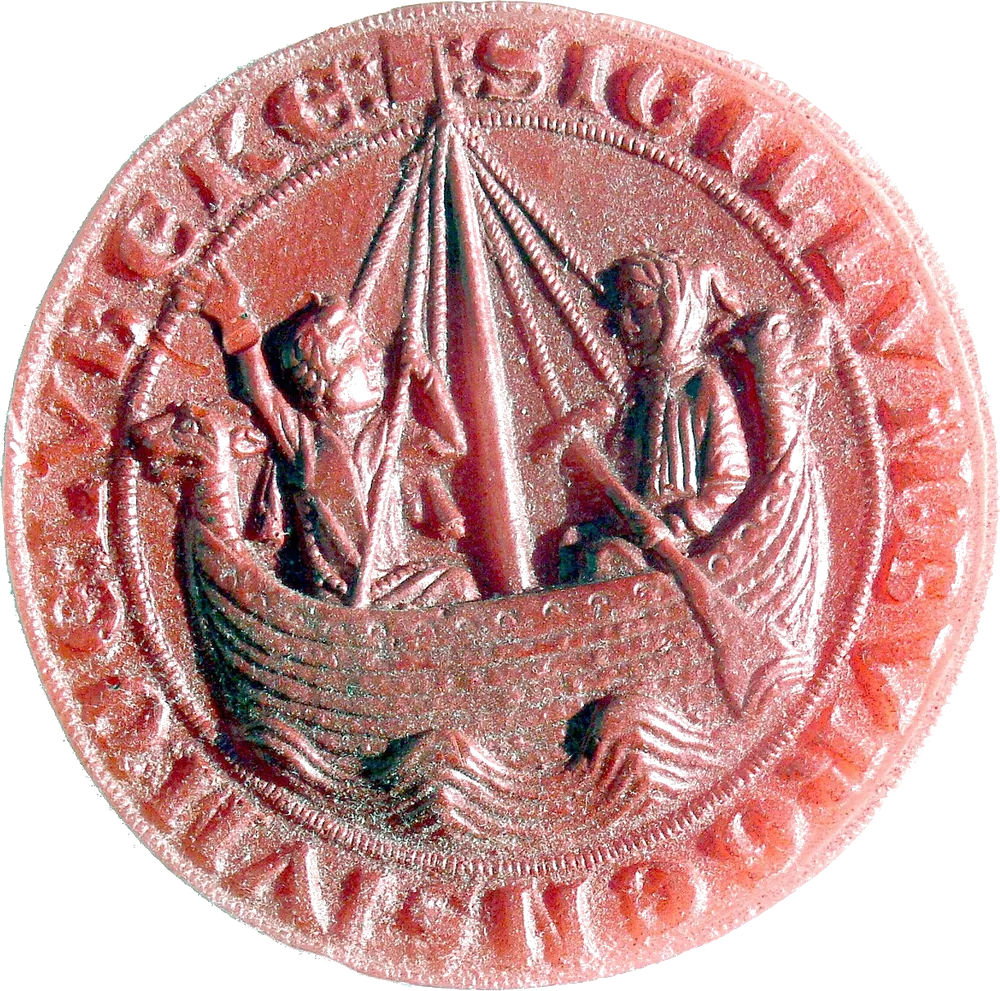
Lübeck's merchants sealed their charters in wax. Mercatoria seals each decision with a cryptographic hash, attested on a public blockchain. Change one character of a resolution and the seal no longer matches.
SHA-256, computed in your browser. How we are governed
Bring us the zone, the charter or the question.
Every engagement begins with a confidential conversation and a written scope.
Mercatoria DAO LLC, Wyoming