

The rules of the port
Zone law and administration agreed with the host government: who governs, by what rules, and how disputes are heard.
Shahbandar, a Mercatoria platform
For governments, sovereign investors and trading families across Southeast Asia and the Indian Ocean. Melaka received merchants from Cairo to the Ryukyus through four harbor masters and laws every captain could know. Shahbandar brings that office to the region's new ports and cities.
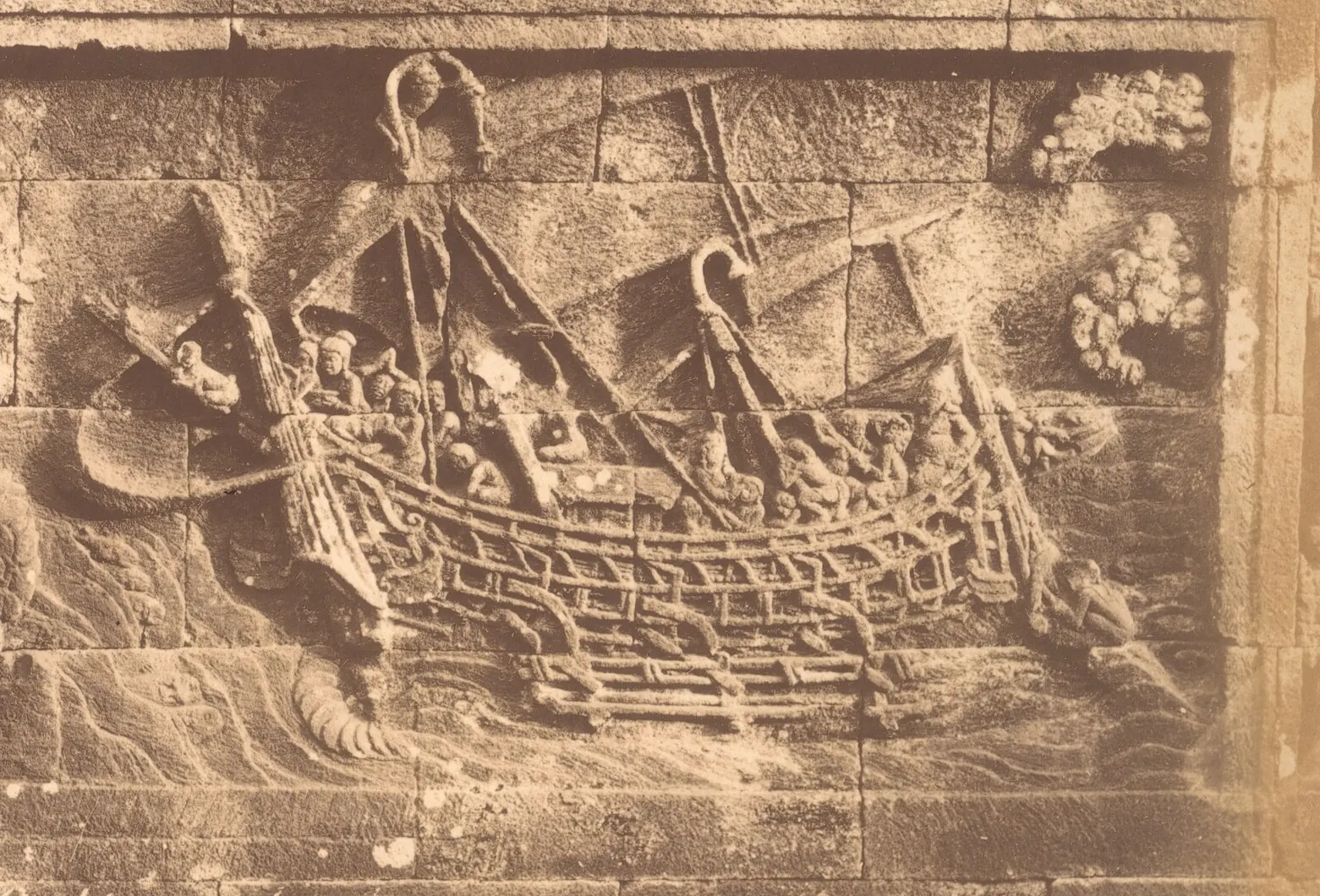
Melaka was founded around 1400 at the mouth of a small river, on the strait between the Malay Peninsula and Sumatra. Within a few decades it was the greatest market in Southeast Asia.
Its fortune was the wind. The monsoon blows from the northeast for part of the year and from the southwest for the rest, so a ship reached the strait in one season and sailed home in the next. Melaka lay in the equatorial calms between the Indian Ocean and the South China Sea: a sheltered harbor where traders could meet, store their goods and wait for the wind to turn.
Its people said that eighty-four languages could be heard in the port. Ships from Gujarat and the Coromandel coast each brought cloth of thirty kinds and took home spices, gold and Chinese silk.
By the middle of the fifteenth century Melaka was a Muslim sultanate and a center from which Islam spread through the archipelago. Malay, carried by its seafarers, became the common language of trade across the islands.
Geography put Melaka on the route. Its government made it the port of choice. Shahbandar starts from the same premise: a location brings the first ships, and fair rules bring them back.
Sources: Britannica, sultanate of Malacca; L. F. Thomaz, "The Malay Sultanate of Melaka," in A. Reid, ed., Southeast Asia in the Early Modern Era (1993); M. A. P. Meilink-Roelofsz, Asian Trade and European Influence (1962), 37 to 38 and 57; Tomé Pires, Suma Oriental, trans. A. Cortesão (1944), vol. 2, 268 to 272; Malaysian Meteorological Department.
84languages heard in its port, as its people told Tomé Pires

The sultan appointed four harbor masters. Each held the office of shahbandar, from the Persian for king of the haven, a title known in ports across the Indian Ocean. Each served the merchants of a group of nations, and the shahbandar of the Gujarat merchants ranked first.
Each shahbandar was usually of the same nation as the merchants he served. He received the captains of their ships and presented them to the Bendahara, the sultan's chief minister. He assigned them warehouses and, if they carried documents, lodging. He ordered elephants to carry their goods, saw their cargo dispatched and fixed the presents they owed the court.
Melaka's own laws placed the weights and measures, the rules of the market and the quarrels between traders in his hands, and called him the father and mother of the foreign merchants.
He stood between the sovereign and the stranger, and answered to both. Shahbandar takes up that office for new ports and cities: one accountable bridge between a host state and those who come to build.
Sources: Pires, Suma Oriental (1944), vol. 2, 265 and 273, and vol. 1, 126; Meilink-Roelofsz (1962), 42 to 43; Liaw Yock Fang, Undang-Undang Melaka (1976), introduction and chapters 24 and 29; Yule and Burnell, Hobson-Jobson (1903), "Shabunder"; Jawi spelling after Dewan Bahasa dan Pustaka.
The monsoon and the four harbor masters
Move through the year. The winds turn, and the fleets that could reach or leave Melaka in that season light up. Select a fleet to see which shahbandar received it.
The fleets, and where each stands this month
The four shahbandars of Melaka
Melaka wrote its laws down. The land code, the Undang-Undang Melaka, grew from a decree of Sultan Muhammad Syah in the second quarter of the fifteenth century. It set Malay custom beside the rulings of Islamic law, and its copies were kept and used from Patani and Kedah to Riau and Java.
The sea had a code of its own, the Undang-Undang Laut Melaka. Its preamble records that the city's ship captains met to set down the customs of the sea, and that the Bendahara laid their code before the sultan, who approved it. Its purpose, in the words of an 1816 translation, was "that men may not act according to their own will and inclination, but that order and regularity may prevail." The Bugis and Makassar traders of Sulawesi later adopted it.
The rules did not stop every abuse, and Pires heard complaints of officials who overcharged. But they were written, the dues were fixed, and every merchant had an officer to turn to. Pires recorded the result: the visiting merchant was neither favored nor sent away displeased, because the law and the prices of Melaka were well known.
Sources: Liaw Yock Fang, Undang-Undang Melaka (1976); J. Kathirithamby-Wells, "Restraints on the Development of Merchant Capitalism in Southeast Asia before c. 1800," in Reid, ed. (1993); T. S. Raffles, "On the Maláyu Nation, with a Translation of its Maritime Institutions," Asiatic Researches 12 (1816); Pires (1944), vol. 1, 126, and vol. 2, 273 to 274.
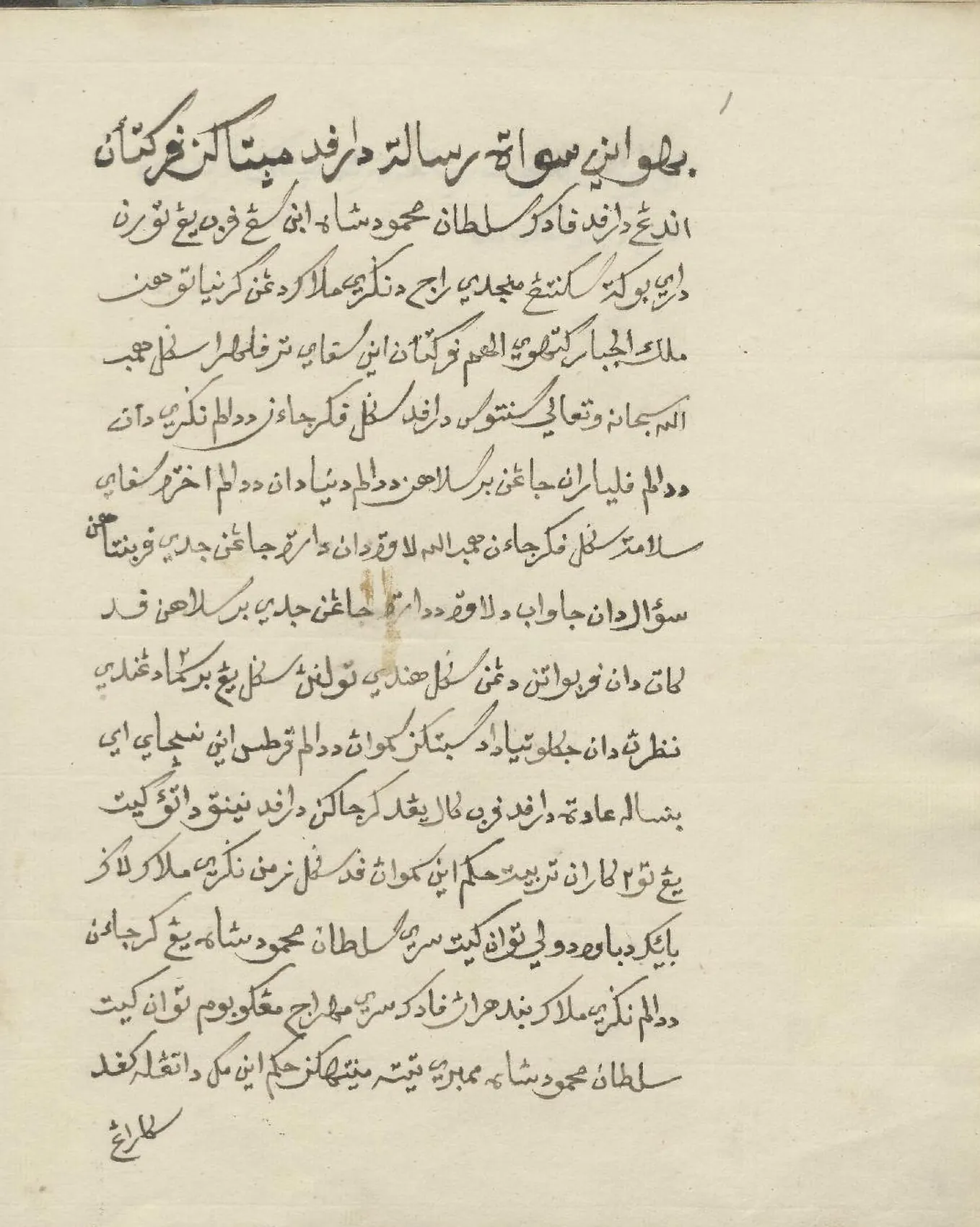
I.The captain is master of his ship, as the ruler is on land.
II.Before he puts into any port, he consults the whole company.
III.In a storm, no cargo goes overboard until all with goods aboard are consulted. Those with much and those with little lose in proportion.
IV.In port the captain trades first, for four days. The merchants aboard trade next, for two, and then everyone aboard may trade.
Ashore, the terms were known in advance
Sources: Maritime Institutions (1816); Meilink-Roelofsz (1962), 43 to 48; Pires (1944), vol. 2, 272 to 274 and 284.
2025More than 100,000 transits of the strait for the first time
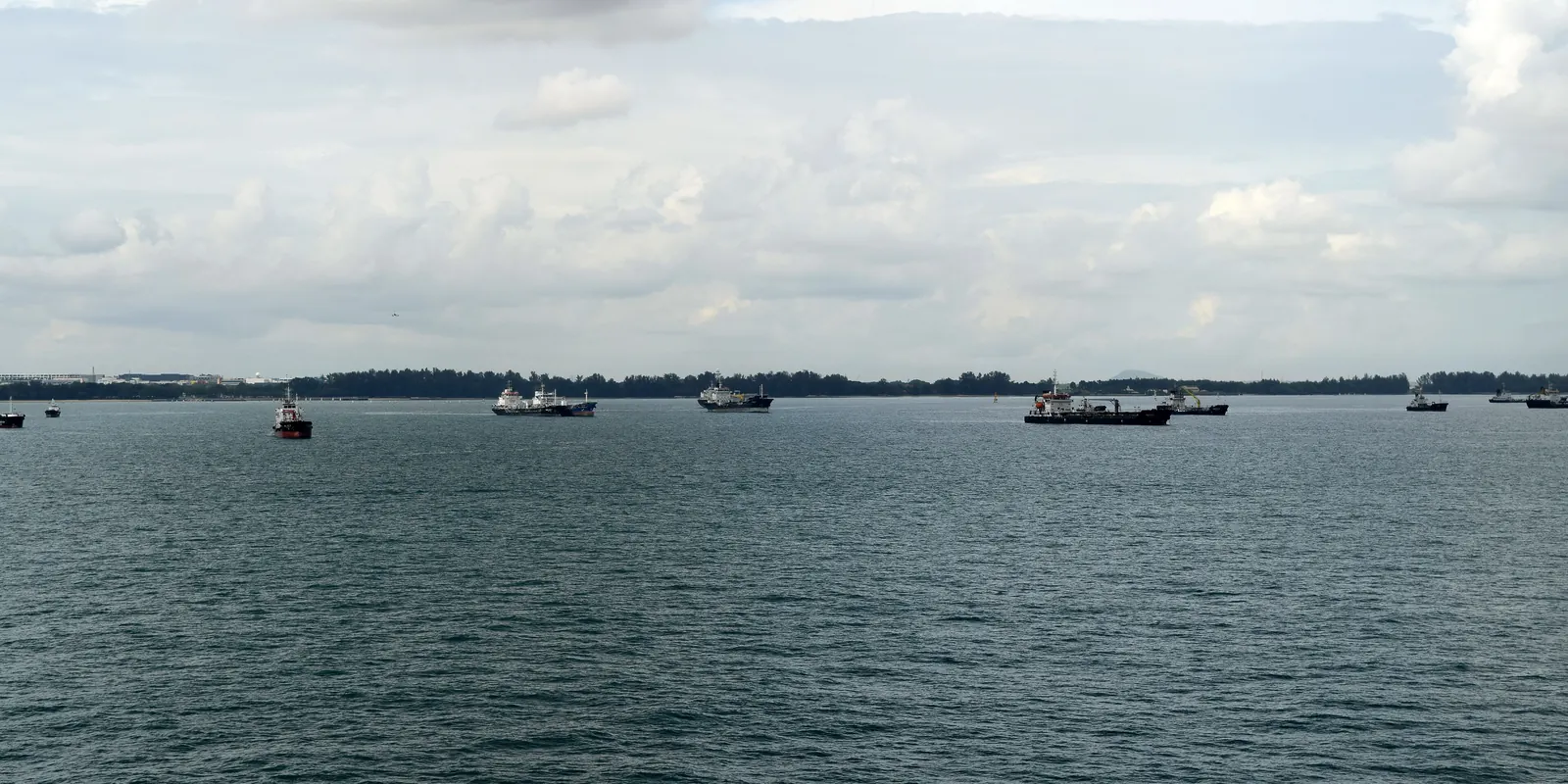
In 2025 ships made 102,525 transits of the Strait of Malacca, by the count of Malaysia's Marine Department. The word survives as well: in Malay and Indonesian a harbor master is still a syahbandar.
What arrives now is larger than a junk's cargo: capital, companies and whole communities that come to build. They ask what the captains asked.
Sources: Seatrade Maritime, 20 April 2026; Kamus Dewan; KBBI.
The wind brings the first ship. The port's word brings the next.
Zone law and administration agreed with the host government: who governs, by what rules, and how disputes are heard.
Access to a network of capital partners, with commitments staged against milestones the project has met. Mercatoria advises; it does not manage funds.
Arbitration, treaty access and political risk cover arranged before the first berth is built, designed so that commitments outlast elections, administrations and market cycles.
Anchor industries, supply chains and skilled people, so that a new port has cargo and a new city has work from its first season.
Every Shahbandar engagement is led by a partner with standing in Southeast Asia and the Indian Ocean world, under a written mandate. It begins with a private conversation and a written scope.
Shahbandar, a Mercatoria platform