.jpg)

.jpg)

A charter
Zone law agreed with the host state and written into its own legislation: who governs, by what rules, and how the rules are renewed.
Mansa, a Mercatoria platform
For African governments, founders and capital building new cities and zones on Africa's own terms: chartered with local leadership, financed by capital that stays and protected so that what is built endures.
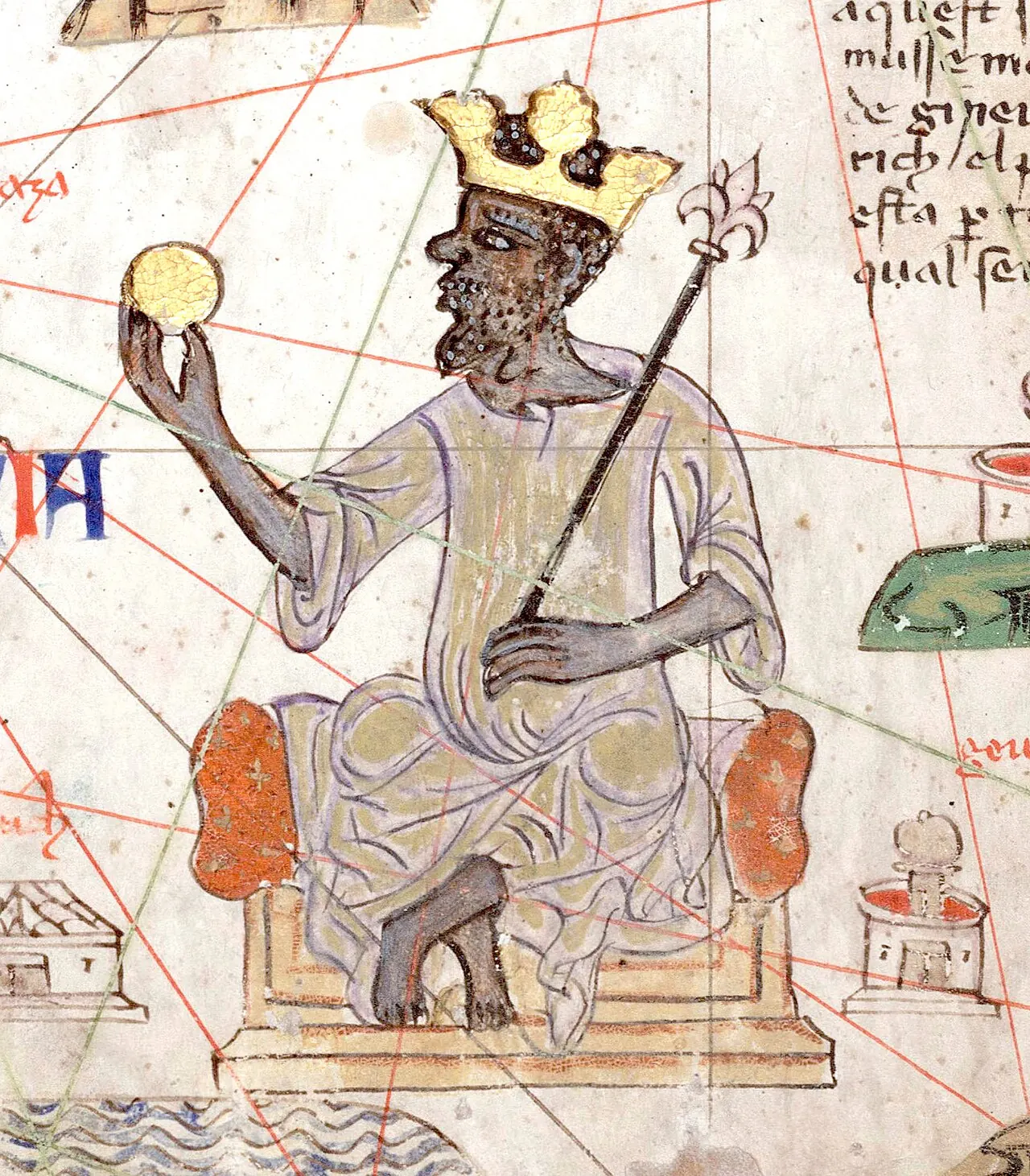
In the thirteenth century, after the war that made Sundiata Keita ruler of the Manden, tradition holds that an assembly met at a place called Kurukan Fuga. There it proclaimed the charter of the new state that became the Mali Empire.
UNESCO counts it among the oldest constitutions in the world. Its preamble, in seven chapters, speaks of peace among diverse peoples, the dignity of the person, education, the unity of the homeland, food security, an end to slavery by raiding, and freedom of expression and trade.
It was never carved in stone. Griots carried it from one generation to the next, and the clans of the Manden still pass it on by word of mouth. In 1998 a gathering at Kankan, in Guinea, set it down in writing. In 2009 UNESCO inscribed it on the Representative List of the Intangible Cultural Heritage of Humanity.
A charter lasts as long as the people who keep it. Mansa begins every zone the same way: with a written charter, agreed with the host state, that the people who live and invest under it can read, rely on and renew.
Sources: UNESCO, the Manden Charter; Kouroukan Fouga.
Mali lay between the goldfields of Bambuk and Bure and the salt of the Sahara. At Taghaza, salt was cut into thick slabs and carried south, two slabs to a camel, to be sold at Walata and later at Timbuktu. When Ibn Battuta passed through in 1352, the houses there were built of salt and gold dust changed hands by the hundredweight.
What carried the trade was trust. Ibn Battuta wrote that there was complete security in the country: neither traveler nor resident had anything to fear from robbers. A foreign merchant who died there did not have his property seized, however great it was.
In 1324 Mansa Musa passed through Cairo on his way to Mecca. The Mamluk historian al-Umari recorded that he gave away so much gold that its price in Egypt was still depressed twelve years later.
The wealth of Mali was gold. Its strength was the road: kept safe, open to strangers and governed by rules that held.
Sources: Taghaza; Ibn Battuta, Travels in Asia and Africa, translated by H. A. R. Gibb; al-Umari's account of Mansa Musa in Cairo.
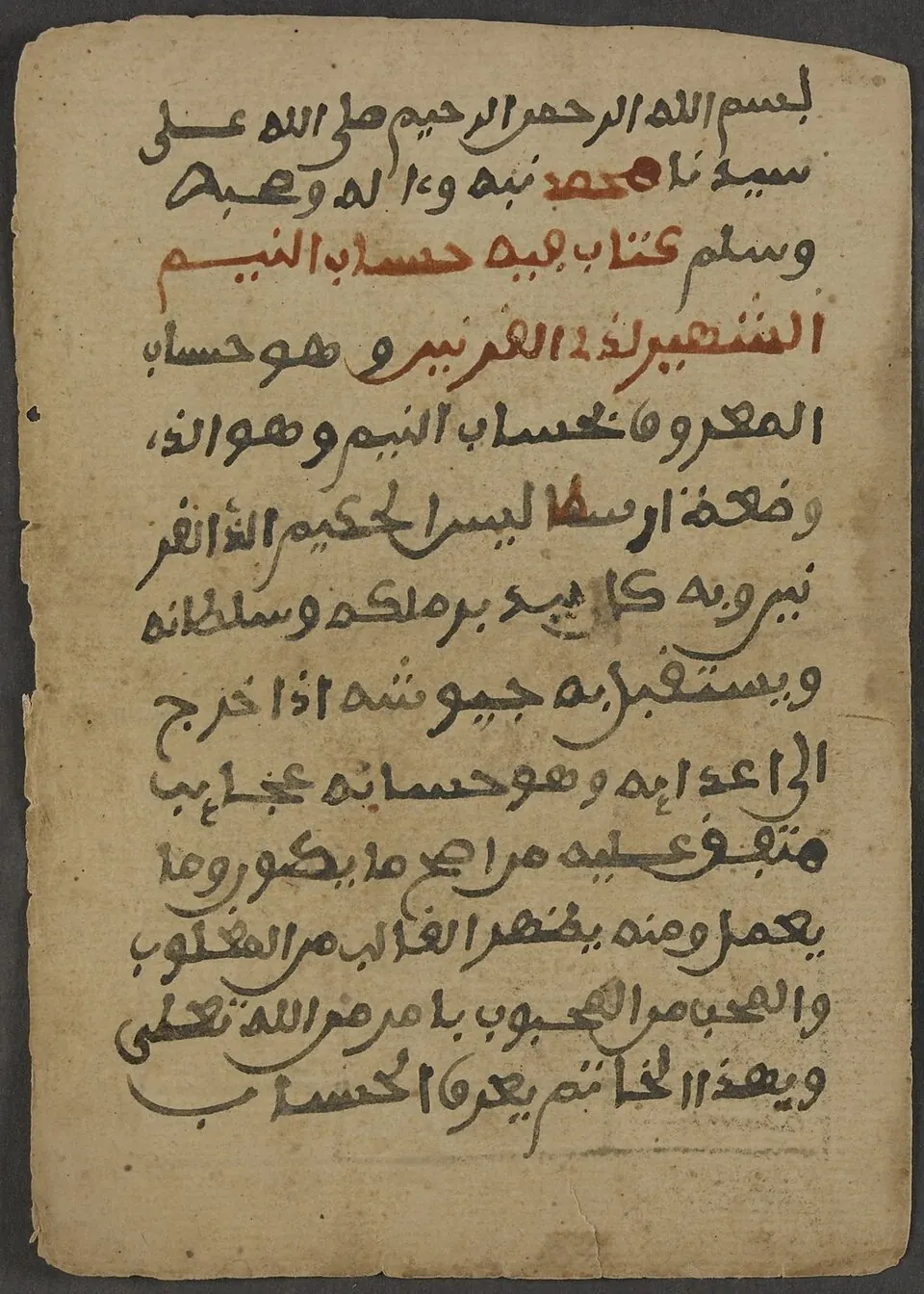
Scholars traveled with the caravans, and books traveled with them. From the fourteenth century Timbuktu was a seat of learning: its scribes copied the works that arrived, and its own scholars wrote on law, history, medicine and the sciences.
Families kept the manuscripts at home for centuries and handed them down the generations. Much of what Timbuktu knew survived because households chose to keep it.
Source: Timbuktu manuscripts.
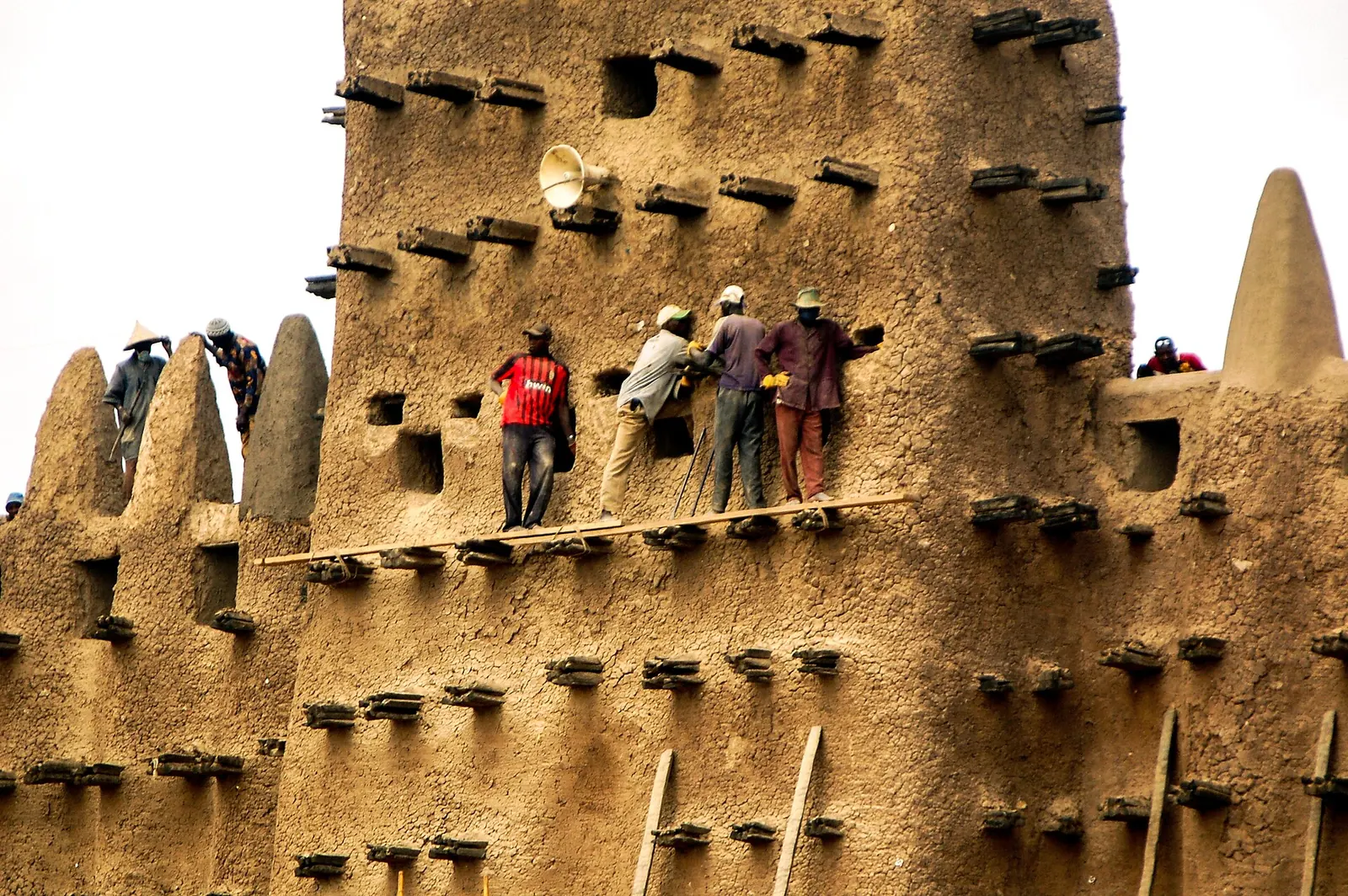
The Great Mosque of Djenné is the largest mud-brick building in the world. Rain and heat wear its walls every season, so every year the town renews them together. Boys stir the plaster in pits, women and girls carry water, men carry the plaster up and spread it, masons of the guild direct the work, and the elders watch from the market square.
The palm sticks that pattern its walls, called toron, are its ornament and its scaffolding at once. The means of repair are built into the building.
Durability is designed in, then practiced. Mansa writes renewal into every charter: reviews on a calendar, offices that pass on, and a community with a stake in the upkeep.
Source: Great Mosque of Djenné.
Skip the renewal
An illustrative drawing, not a record of any building.
2018The continental market
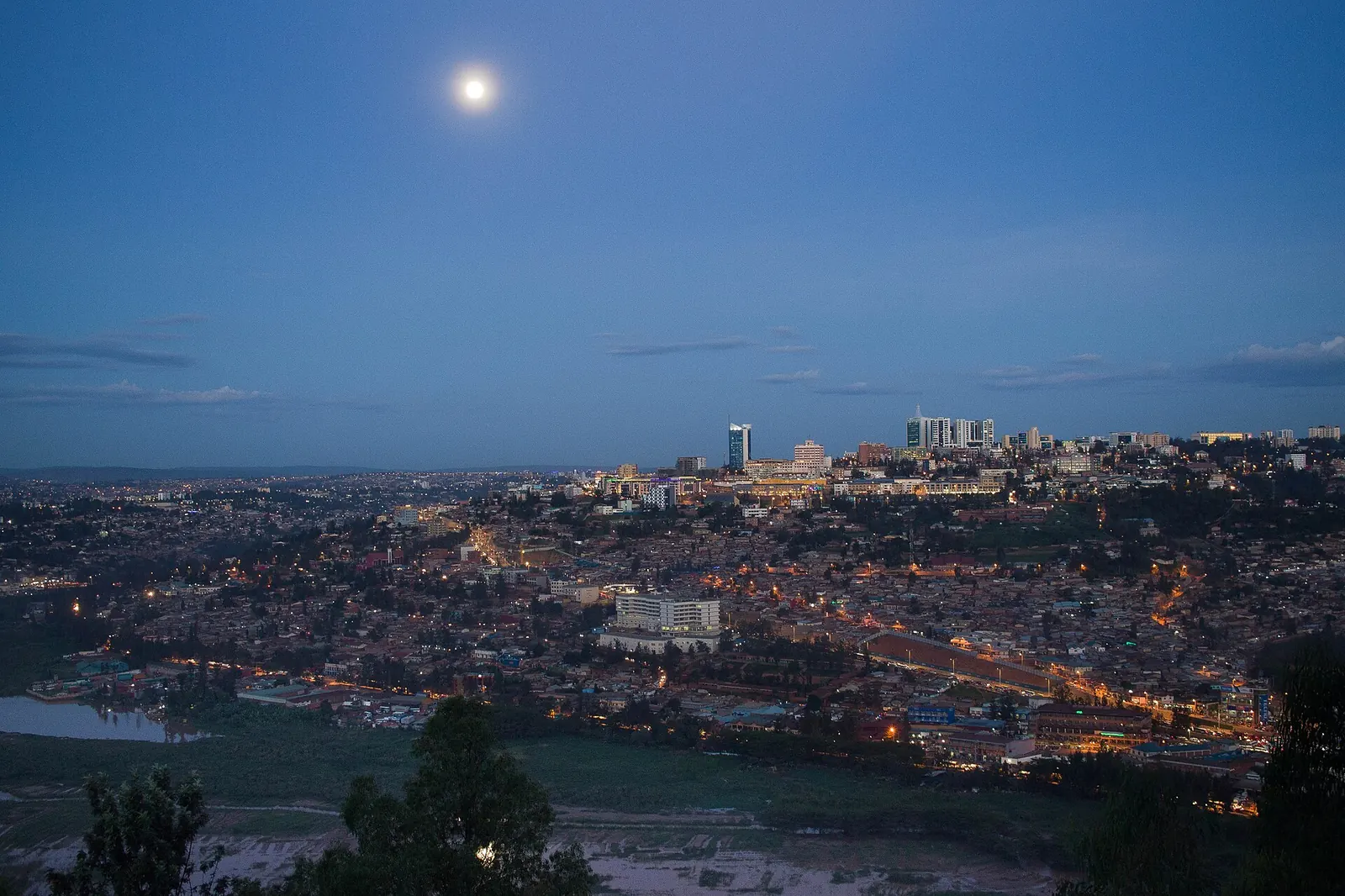
In March 2018, in Kigali, African states signed the agreement establishing the African Continental Free Trade Area. It entered into force in May 2019, once twenty-two had ratified it, and trading under it began on 1 January 2021.
By September 2026, fifty of its fifty-four signatories had ratified. Measured by the number of countries taking part, the World Bank counts it the largest free trade area in the world.
Sources: tralac, AfCFTA questions and answers, September 2026; dates of deposit; World Bank.
The market is being written. The cities that serve it are being built.
Zone law agreed with the host state and written into its own legislation: who governs, by what rules, and how the rules are renewed.
Long-term capital, staged against milestones the zone has met, with the host government a partner in the land and its value.
Treaty access, political risk cover and arbitration agreed before the first brick is laid, so that what is built stays built.
Anchor industries that create wealth at home and trade across the continent from the first day.
Every Mansa engagement is led by an African partner with standing in the country, under a written mandate. It begins with a private conversation and a written scope.
Mansa, a Mercatoria platform