Existing zones
Upgrade the governance. Become investable.
Find a path to upgrade your zone's governance, and you become investable to our network.
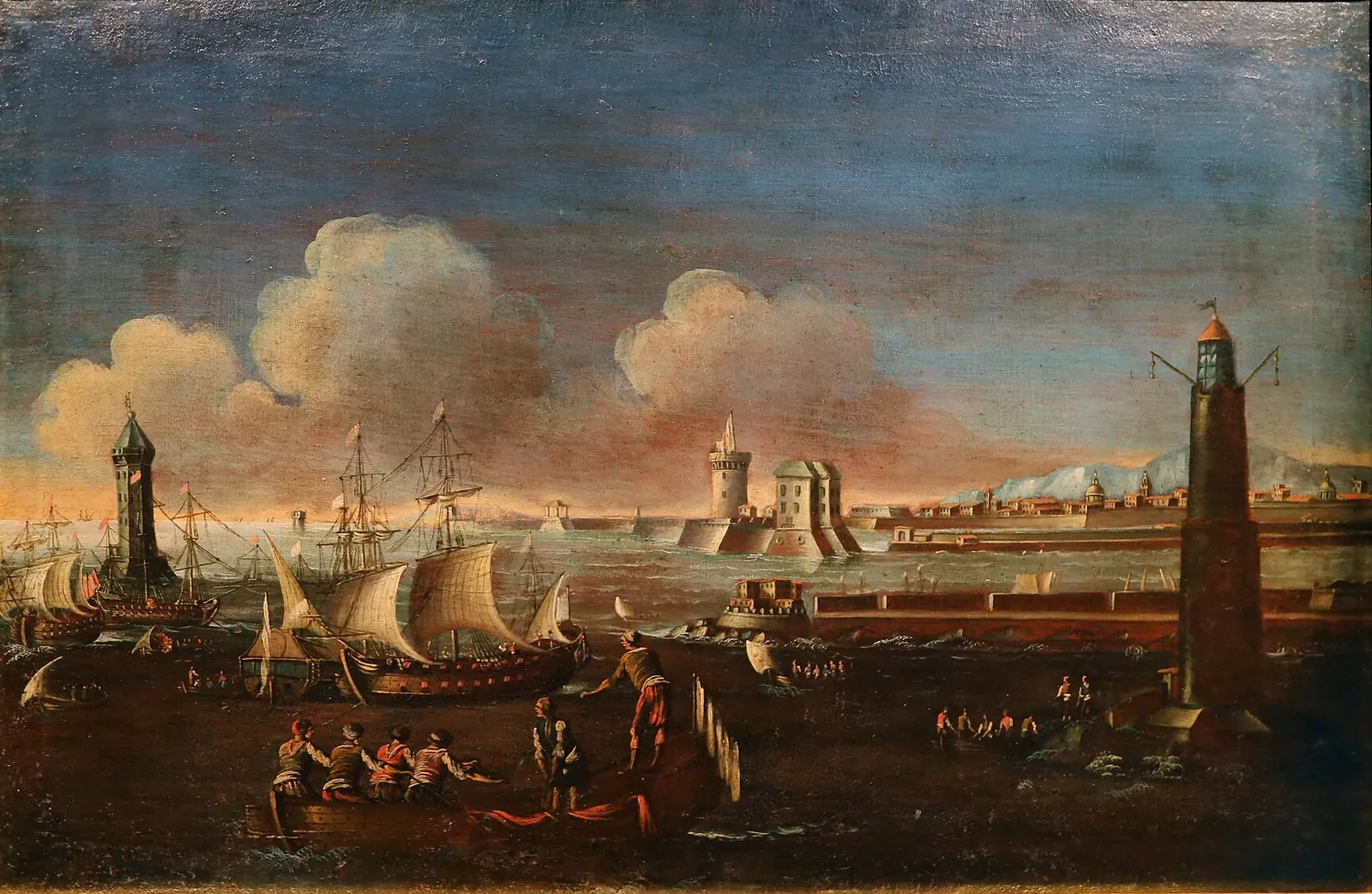

The harbor did not change. The rules did.
In the 1590s Grand Duke Ferdinando I de' Medici declared Livorno a free port. With the laws known as the Livornine he invited merchants of every nation, promising protection from crime and extortion, clear rules of trade and the right to practice their own faith.
Merchants came from across the Mediterranean and beyond. Livorno, a town of 1,562 residents in 1551, had 32,534 by 1745.
Incentives attract tenants. Governance attracts the capital that builds cities. Most zones today compete on tax holidays and cheap land. Long-term capital asks different questions: can the rules change after we commit, who hears a dispute, and will the arrangement survive the next election?
Population figures: Livorno, history.
- 15511,562 residents
- 1590sDeclared a free port by Ferdinando I
- 1593The Livornine: protection, trade rules and the right to worship for merchants of every nation
- 174532,534 residents
Seven questions every serious investor asks of a zone.
Mark where your zone stands today. The chart is a self-assessment, not a rating. A diagnostic tests the same seven questions against evidence.
From diagnostic to introduction, in four legs.
Diagnostic
A confidential assessment against the seven questions, with a plain written finding on what stands between the zone and long-term capital.
Upgrade path
A sequenced plan of legal, regulatory, administrative and economic reforms, each scoped to what the host can realistically adopt.
Implementation
Drafting, negotiation support and operating design as reforms are adopted, measured against defined milestones.
Introduction
Once milestones are met, introduction to capital partners in our network, with the diligence already done.
Operate a zone, or govern one?
A diagnostic begins with a confidential conversation. No obligation follows it.
Mercatoria DAO LLC, Wyoming