
Charter design
The governing instrument, its amendment rules, and how it sits within national law.
Founders
For founders of new cities and charter zones: the institutions that let a city outlast its founder, and the economic base that lets it pay its way.
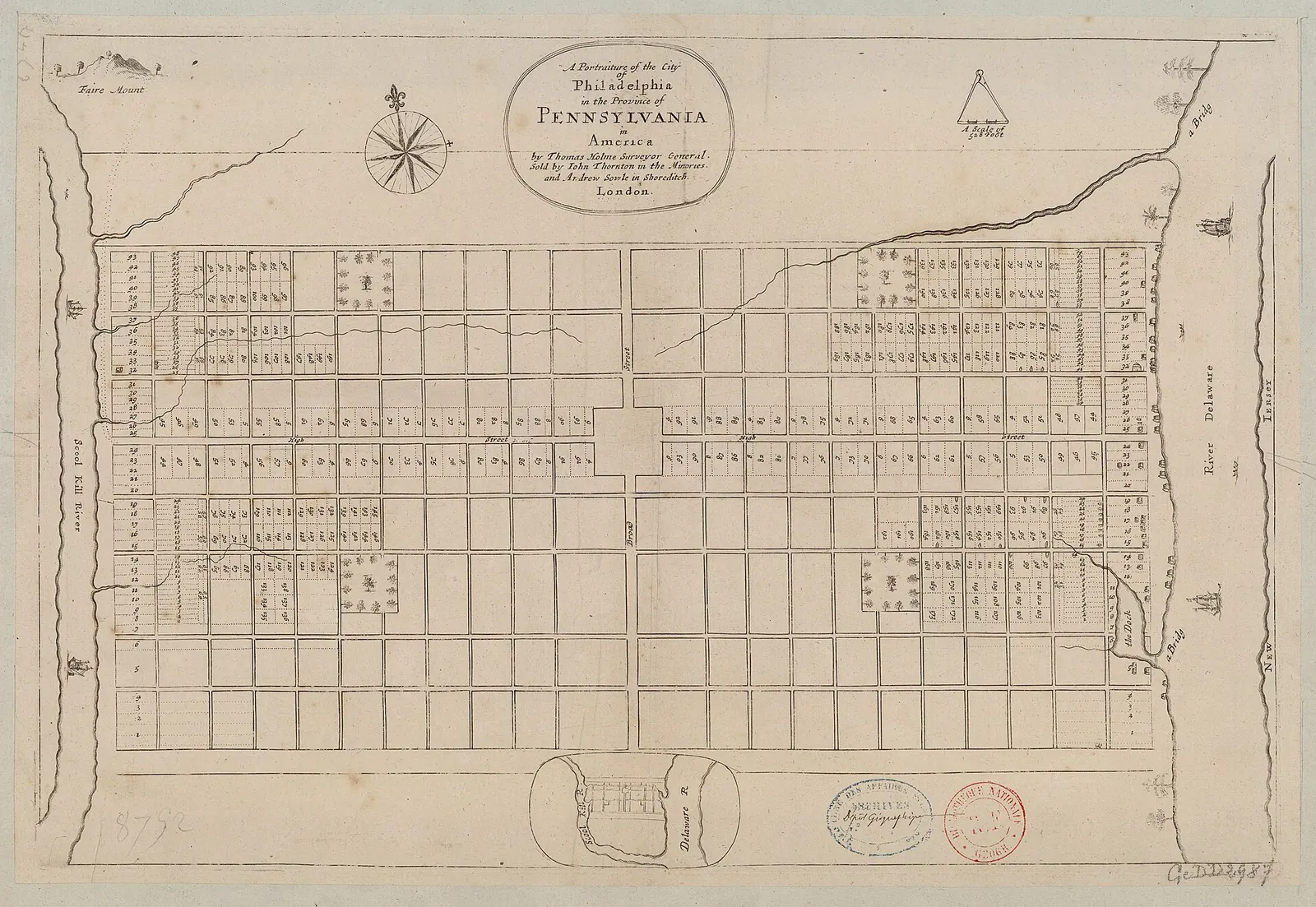
Founders of new cities usually understand the legal work. They have read the charters, studied the precedents and drafted the codes.
New cities tend to stall elsewhere: anchor industries, primary-sector value chains, local labor markets and the business culture of the host country. A well-written charter over an empty economy does not attract residents or keep investors.
Herodotus tells how Solon gave Athens its laws and then left for ten years, so that no one could press him to change them. We design for the day the founder steps back.
Illustrative. Select a phase.
The governing instrument, its amendment rules, and how it sits within national law.
Boards, offices and procedures that keep working when the founding team moves on.
Preparation and support for agreements with national, provincial and local government.
Anchor industries, primary-sector value chains, tenant pipelines and local partners.
Stability terms, dispute resolution and the relationships that keep commitments in force.
The governance milestones capital partners look for, and introductions once they are met.
Every founder engagement starts with a conversation about the place, not a proposal.
Mercatoria DAO LLC, Wyoming