Solon, a Mercatoria platform
Build the law that outlasts you.
For founders of charter cities, zones and new jurisdictions. We work with you on the charter, the institutions that carry it and the economy beneath it, and we design from the first draft for the day you step back.

Both sides trusted him with the law.
Athens in the early sixth century BC was close to civil war. The land was in the hands of a few. The poor worked it for the rich, and a tenant who could not pay could be enslaved with his children. Many Athenians had been sold abroad.
In 594 BC both sides agreed to make Solon archon and mediator, and put the constitution in his hands. His first law, the seisachtheia, the shaking off of burdens, canceled debts, forbade loans secured on a person and brought home citizens who had been sold.
The poor wanted the land divided anew. The rich wanted everything restored as it had been. He gave neither, and when friends urged him to make himself tyrant, he refused and said so in his verse. Plutarch tells that when Solon was later asked whether he had given the Athenians the best laws, he answered: “The best they would receive.”
A founder's first test is Solon's: rules fair enough that both sides accept them, even when neither side loves them.
Sources: Aristotle, Constitution of the Athenians 2, 5, 6, 11, 12, translated by F. G. Kenyon; Plutarch, Solon 13 to 16, translated by B. Perrin.
Rights followed the harvest, not birth alone.
Before Solon, Aristotle writes, office went by birth and wealth. Solon ranked every citizen instead by what his own land yielded in a year, in measures of grain, oil or wine. Move the yield to see a household's class and what was open to it.
- The assemblyEvery class
- The jury-courtsEvery class
- The lesser officesFrom 200 measures
- The nine archonsFrom 300 measures
- The treasurers of AthenaFrom 500 measures
He gave the people as much power as was enough, and stood with a strong shield over both sides, letting neither win unjustly.
Paraphrased from Solon's own verses, which Aristotle (Constitution of the Athenians 12) and Plutarch (Solon 18) preserve.
Aristotle named three features of Solon's constitution as its most democratic:
INo loan could be secured on the person of the debtor.
IIAnyone who wished could seek redress on behalf of a person wronged.
IIIA magistrate's judgment could be appealed to the jury-courts.
Constitution of the Athenians 9, after the translation by F. G. Kenyon; Plutarch, Solon 18.

He gave Athens its laws. Then he left.
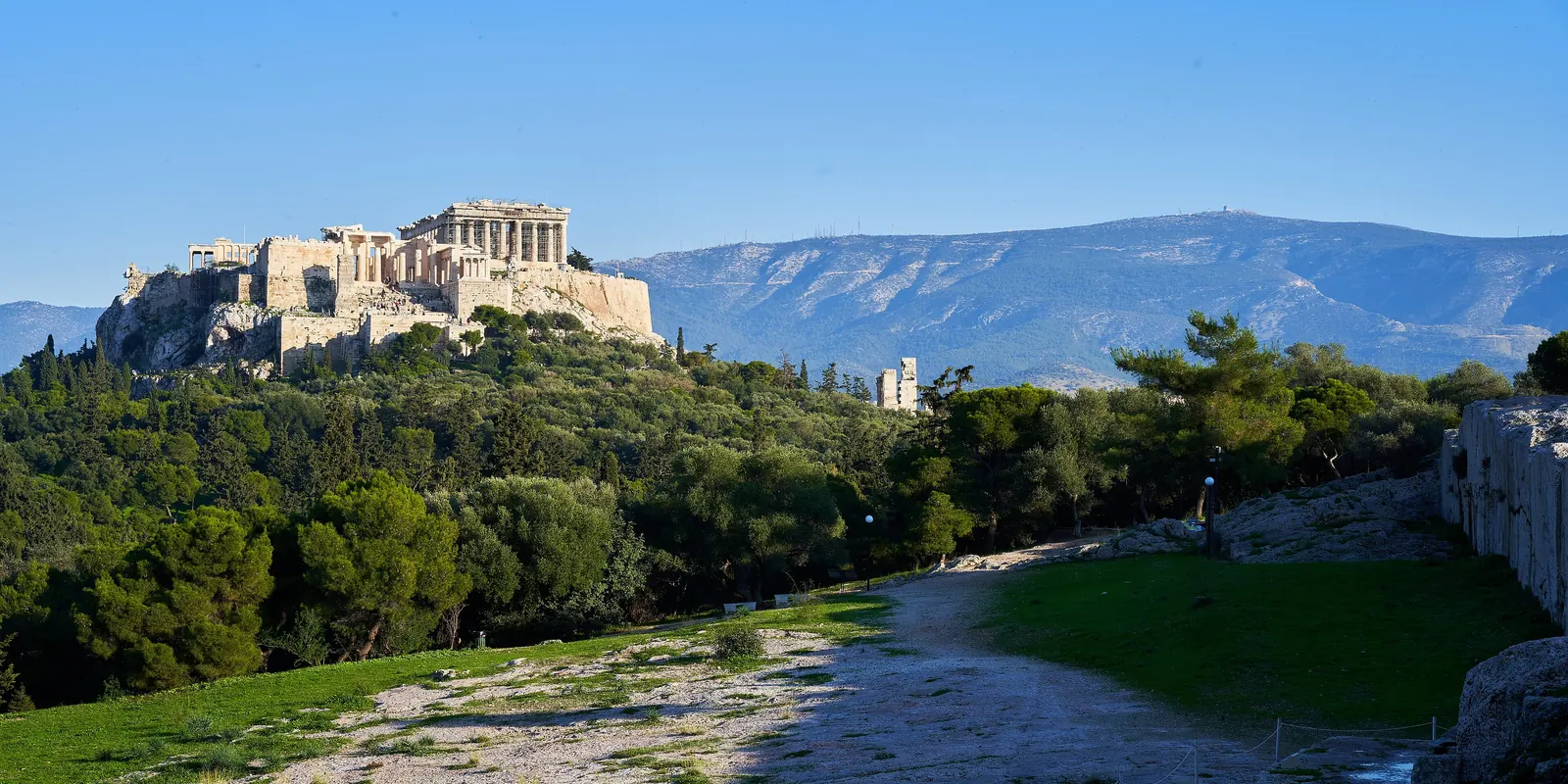
Solon's laws were written on axones, wooden tablets that turned in their frames so that each face could be read. Scholars think they were perhaps four-sided beams on axles. They were set up in public, and the council and the magistrates swore to keep them. More than six centuries later, Plutarch saw what was left of them in Athens.
Then the questions began. People came to him every day to praise a law, attack it or ask what it meant. Aristotle writes that he “considered that there was no call for him to expound the laws personally, but that every one should obey them just as they were written.”
So he left. Herodotus says the Athenians had sworn to keep his laws for ten years, and that Solon sailed away so that he could not be made to repeal any of them. He went to Egypt, and to Cyprus.
The peace did not hold. In the fifth year the city could not agree on an archon, and within a generation it had a tyrant. Herodotus says the tyrant left the offices and the laws as they were; Aristotle, that the laws fell out of use. Two centuries later, Athenians still called the laws in force the laws of Solon.
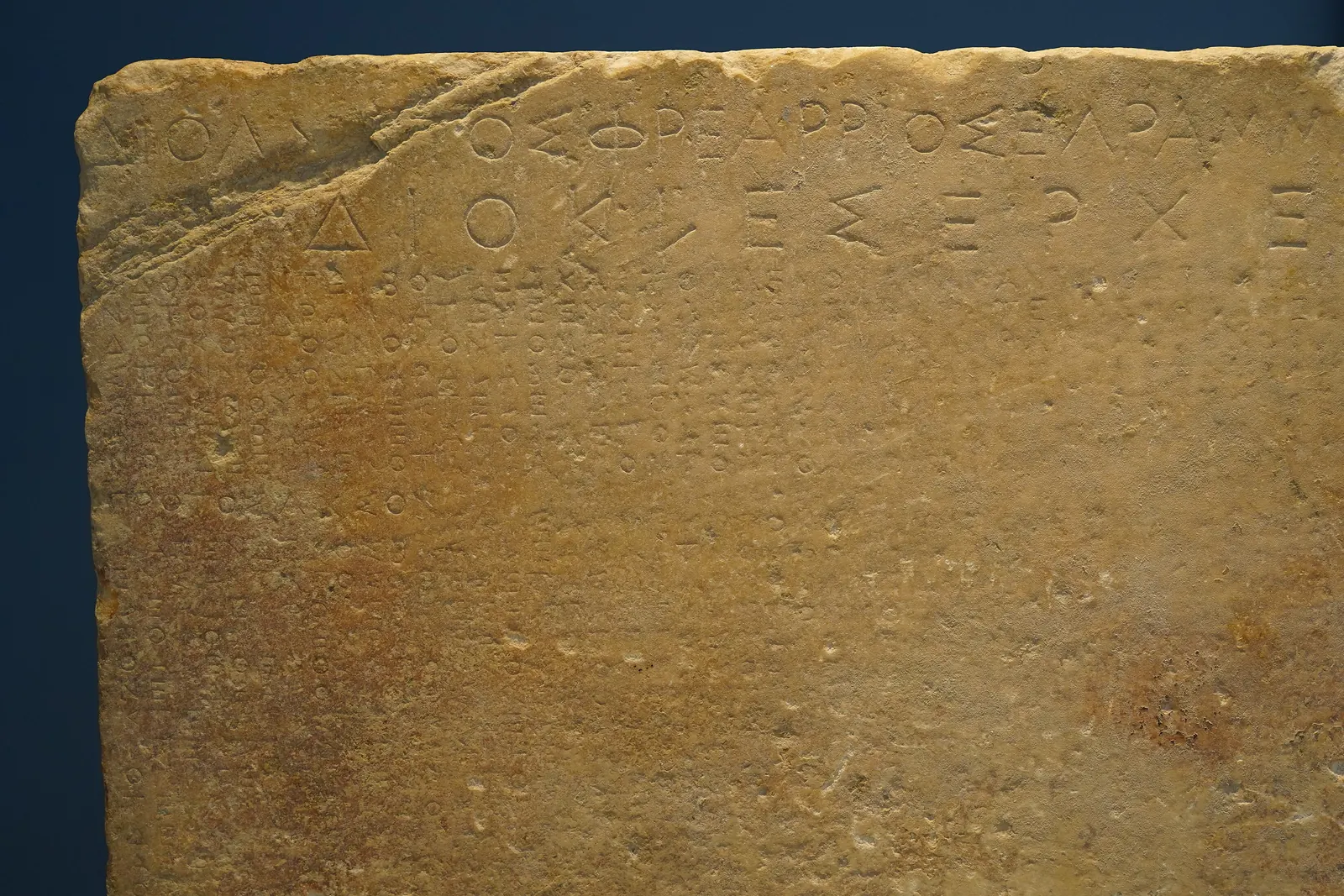
Sources: Plutarch, Solon 25; Aristotle, Constitution of the Athenians 7, 11, 13, 14 and 22; Herodotus 1.29, 1.30, 1.59 and 5.113, translated by G. C. Macaulay (I, II); Attic Inscriptions Online, IG I³ 104.
The ten years, and after.
One block for each year of the archons from 594 to 561 BC. Select a year to read what the sources record.
Design for the day you step back.
Solon left so that the law, not the lawgiver, would answer the questions. The instinct was right, and it was not enough on its own. Aristotle saw where the trouble gathered: around the archonship, the office with the most power.
A founder who steps back needs more than clear rules: offices that pass on without a fight, a way to settle disputes that runs through no single person, and a settlement both sides can live with once the founder is gone.
Jurisdiction design is the beginning.
Solon's laws reached past the constitution. Plutarch records that he saw Attica filling with people who came for safety, on land that could barely feed those who farmed it, and that traders do not bring goods to those with nothing to give in exchange.
So he turned the city to the trades. A son whose father had not taught him a trade was not bound to support him in old age. Of all the produce of the land, only olive oil could be sold abroad. Citizenship was offered to those who moved to Athens with their whole families to practice a trade.
In Plutarch's words, Solon was “adapting his laws to the situation, rather than the situation to his laws.”
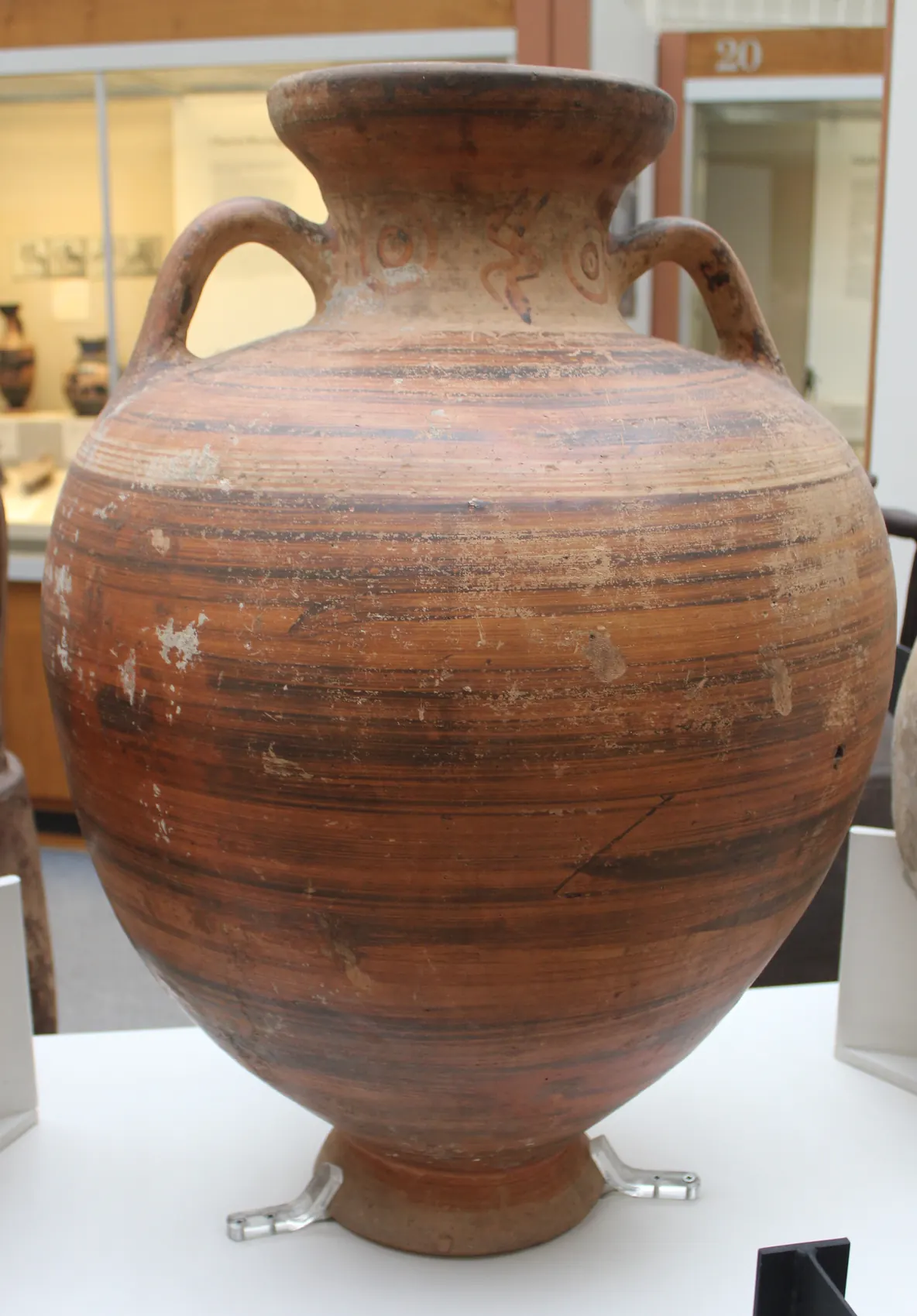
Sources: Plutarch, Solon 22 and 24; British Museum 1848,0619.9; C. E. Pratt, The SOS amphora: an update (2015).

Who governs
How they are chosen, checked and replaced.
Which rules apply
How they change, by whom and how slowly.
How disputes end
Before which courts, under which law, with what appeal.
What the host state grants
And what it keeps, in writing, and for how long.
An industry
One that earns in the early years, not only the late ones.
A supply chain
Routes to buyers, and to what the city cannot make itself.
People
Who choose to come, find work and stay.
The region's consent
Neighbors and local leaders who gain when the city does.
The economy beneath the law.
When UNCTAD surveyed the world's special economic zones in 2019, it found that for every success there were several zones that never drew the investors they expected, and that some became costly failures.
The charter decides who rules a new city. What it lives on is decided elsewhere: in the anchor industry, the supply chain, the people who come to work and the politics of the region around it.
Solon designs the economy alongside the charter, not after it.

_01.jpg)
What we build with you.
Five pieces of work, each designed to outlast the founder who commissions it.
Charter design
The founding instrument: who governs, how they are chosen, how the rules change and how the charter sits within the host country's law. Written plainly enough to be read without its author.
Institutional succession
Your own step back, planned from the first draft. Offices that pass on by rule, terms and handovers on a calendar, and decisions that do not route through any one person.
Capital staging
Access to a network of capital partners, with capital staged against milestones the jurisdiction has actually met. Mercatoria advises; it does not manage funds.
Protection layers
Stability terms agreed with the host state, investment treaty access where it exists, political risk cover and arbitration, in place before the first building rises.
Ecosystem building
The economy beneath the law: an anchor industry, primary-sector value chains, the first tenants, and partners in the region who gain when the city does.
Mercatoria is an advisory firm. It does not manage funds or offer securities. Every zone operates under the law of its host country.
Solon's test, for every charter we work on
IFair enough that both sides accept it, even when neither loves it.
IIClear enough to be read and obeyed without its author.
IIIStrong enough to hold on the day the founder steps back.
Founders building a jurisdiction: let us talk.
Every Solon engagement is led by a partner with standing in your region, in North America, in Europe or wherever you build, under a written mandate. It begins with a private conversation and a written scope.
Solon, a Mercatoria platform